Kindergarten Cut-Off Dates by State for 2027-28

In 20 US states a child must turn five by September 1 to start kindergarten that fall. The other dates run from June 30 in West Virginia to December 31 in New York City, and six states leave the date to each district. For September 2027, a child in a September 1 state must be born on or before September 1, 2022. Reviewed by Erin Brady, Director of Private Client Services at Bennett International.
This matters most when you move between states. A child who would start kindergarten in New Jersey (October 1) may have to wait a year in Indiana (August 1). Many states let a child who has already started kindergarten elsewhere carry on, so keep the records from the old school. Independent schools set their own dates, often September 1, whatever the public district does.
Kindergarten cut-off dates by state for 2027-28
| State | Turns five by | Good to know | Source |
|---|---|---|---|
| Alabama | September 1 | Children who skip kindergarten take a readiness check before first grade | ECS |
| Alaska | September 1 | Districts may admit younger children who show advanced ability | ECS |
| Arizona | August 31 | Districts may admit children who turn five by January 1 | ARS 15-821 |
| Arkansas | August 1 | Children with 60 days of kindergarten in another state, or moving on military orders, may enroll younger | ECS |
| California | September 1 | Transitional kindergarten is open to every child who turns four by September 1 | CDE |
| Colorado | Each district | The state funds children who are five by October 1; some districts use earlier dates | CDE |
| Connecticut | September 1 | Early-admission waivers end from 2027-28 | CGA report |
| Delaware | August 31 | Parents may ask to delay kindergarten a year | Del. Code |
| District of Columbia | September 30 | School is compulsory from five | DC Code |
| Florida | September 1 | Kindergarten is optional; school is compulsory from six | Fla. Stat. |
| Georgia | September 1 | Kindergarten or a readiness check comes before first grade | SB 589 |
| Hawaii | July 31 | No early entry in state law | HRS 302A-411 |
| Idaho | September 1 | Children who finished kindergarten in another state can go into first grade | Idaho Code |
| Illinois | September 1 | Districts may admit younger children after a readiness assessment | ILCS |
| Indiana | August 1 | Every district offers an early-entry appeal | IDOE |
| Iowa | September 15 | Districts may set an older age | Iowa Code |
| Kansas | August 31 | Children who attended kindergarten in another state may enroll | K.S.A. |
| Kentucky | August 1 | Districts offer an early-entry petition with a readiness evaluation | KY law |
| Louisiana | September 30 | Full-day kindergarten is required; a one-year deferral is possible | Act 386 |
| Maine | October 15 | Children already in kindergarten in another state may continue | Maine law |
| Maryland | September 1 | Every district offers early admission for some four-year-olds | MSDE |
| Massachusetts | Each district | Children must start school by September of the year they turn six | DESE |
| Michigan | September 1 | Parents may enroll a child who turns five by December 1, with written notice | ECS |
| Minnesota | September 1 | Districts may have early-admission policies | Minn. Stat. |
| Mississippi | September 1 | Children enrolled four weeks or more in a later-date state may continue | Miss. rule |
| Missouri | July 31 | Kansas City and St. Louis may set a date up to October 1 | RSMo 160.053 |
| Montana | September 10 | Younger children only in exceptional circumstances | MCA |
| Nebraska | July 31 | August 1 to October 15 birthdays can enroll with an affidavit, for example after kindergarten elsewhere | Neb. Rev. Stat. |
| Nevada | August 1 | Children who finished kindergarten in another state are placed by grade | NRS 392 |
| New Hampshire | Each district | No state date; check the district | ECS |
| New Jersey | October 1 | Districts may admit younger children | NJDOE |
| New Mexico | August 31 | NMAC | |
| New York State | December 1 | Districts must admit children who turn five by December 1, and some take younger ones | Education Law 3202 |
| New York City | December 31 | Children start in the calendar year they turn five | NYC Public Schools |
| North Carolina | August 31 | Gifted children who turned four by April 16 may enter early | G.S. 115C-364 |
| North Dakota | July 31 | Early entry if five by December 1 and screening shows advanced ability | Century Code |
| Ohio | District’s first day of school | Since March 2026 the date is each district’s first day of instruction | ORC 3321.01 |
| Oklahoma | September 1 | Kindergarten is required; parents may delay a year | OSDE |
| Oregon | September 1 | Districts may admit younger children | ORS 336.092 |
| Pennsylvania | Each district | No state date; the state minimum is four years old at the start of the term | PDE |
| Rhode Island | September 1 | Full-day kindergarten statewide | RI law |
| South Carolina | September 1 | Parents may opt out of kindergarten in writing | SC Code |
| South Dakota | September 1 | Kindergarten must be completed before age seven | SDCL |
| Tennessee | August 15 | Districts may admit children who are five by September 30, after testing | TDOE |
| Texas | September 1 | Tex. Educ. Code | |
| Utah | September 1 | Kindergarten is optional | USBE |
| Vermont | Each district, between August 31 and January 1 | Many districts use September 1 | VT law |
| Virginia | September 30 | Some divisions admit October to December birthdays after a readiness evaluation | Code of Va. |
| Washington | August 31 | Districts may grant early entry after screening | WAC |
| West Virginia | June 30 | Since 2019-20; some national lists still show September 1 | WV Code |
| Wisconsin | September 1 | Five-year-old kindergarten is required before first grade | ECS |
| Wyoming | August 1 | Districts may allow September 15 after a readiness assessment | Wyoming law |
Checked against each state’s law or education department in October 2026. Dates can change, and districts in many states can admit younger children, so confirm with the district before you choose where to live.
How a Bennett consultant helps
The cut-off is one of the first things a Bennett consultant checks when a family with a young child is choosing where to live, because the same birthday can mean a different start year one state, or one district, over.
For New York, New Jersey and Connecticut in more detail, read Erin Brady’s guide to kindergarten cut-off dates. If your child is coming from England or another country, our guide to what grade your child will be in compares the systems year by year, and when is your child ready for kindergarten? looks at readiness beyond the date. Moving to a particular city? See our guides for New York and Dallas.
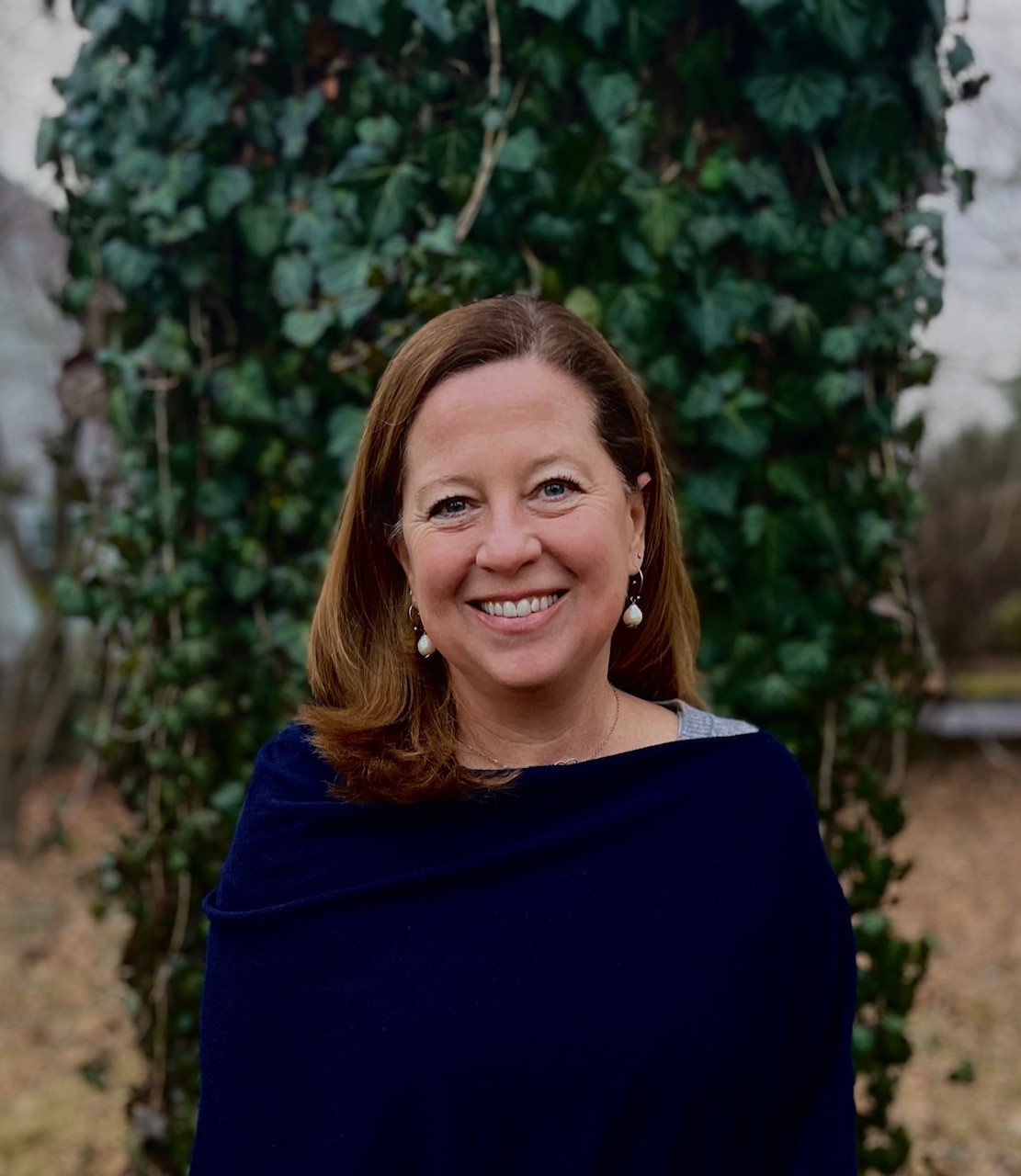
Erin Brady is Director of Private Client Services and a Global Team Lead at Bennett International, overseeing consultants who work with families relocating to Greater New York City, New Jersey, Connecticut, Pennsylvania, Delaware, Phoenix and Toronto. She began consulting with Bennett in 2006, focusing on US boarding school and New York City placements from Pre-K through grade 12. Before her career in education consulting, Erin worked in Lower, Middle and Upper School admissions, taught middle school English, coached varsity cross country and track, and served as an academic advisor at day and boarding schools in the US and the UK. She has lived in England and Ireland and holds a B.A. in English and Creative Writing from Penn State University.
Bennett International Education Consultancy works directly with hundreds of families each year across the globe. We support families by helping them make informed decisions about the best-fit schools for their children; with our guidance, they secure placement in preschools, private day schools, public/state schools, boarding schools, colleges and universities, including schools with particular programs, such as special needs support.