Hong Kong International School Assessments: What to Expect From Age 3 to 15

Almost every international school in Hong Kong assesses applicants before offering a place, and parents are often more anxious about the assessment than their children are. What a school looks for changes with your child’s age, and so does the right way to prepare. This post explains what usually happens at each stage, drawing on the experience of Bennett’s Hong Kong consultant Yun Sun.
Ages three to five: play, observed
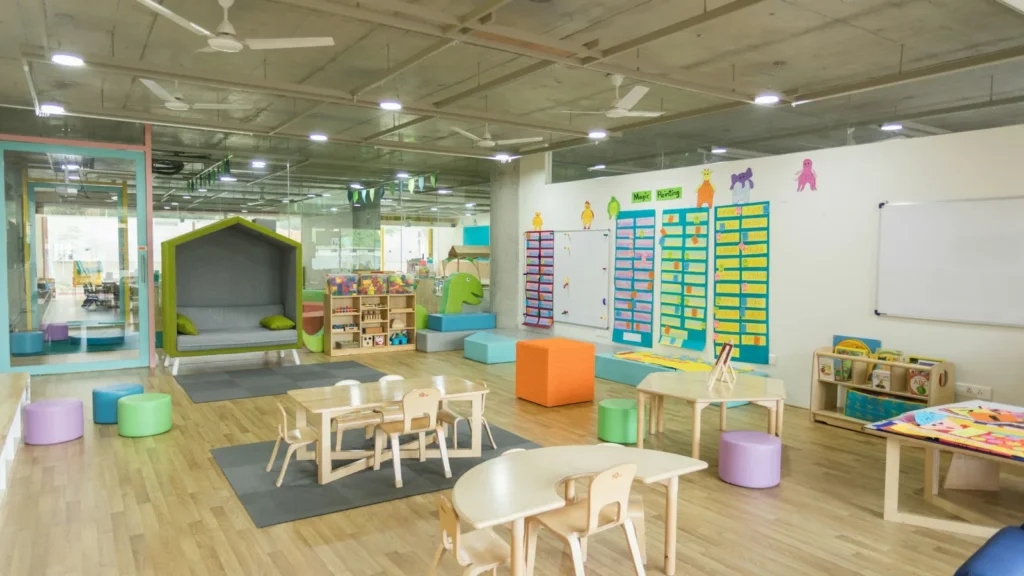
For the youngest children, the assessment rarely looks like a test. Many schools invite children in small groups, often six to eight at a time, for a session of drawing, a story, play or simple physical activities, with several teachers in the room giving instructions and watching. Some schools add a short individual activity.
What teachers are looking for is how a child behaves, uses language and gets along with other children in a setting that feels like a classroom or a play area. Understanding instructions in English and being able to communicate with the other children matter, though some schools can support a young child who is still learning English. Bilingual schools will usually want to see how a child manages in both languages.
Primary and secondary: tests, reports and conversations
At what age formal written tests begin varies from school to school, but by the upper primary years most schools set either standardized assessments or tests written by the school. English and math are almost always included, sometimes with a reasoning test or a short piece of writing, and bilingual schools may also assess Chinese.
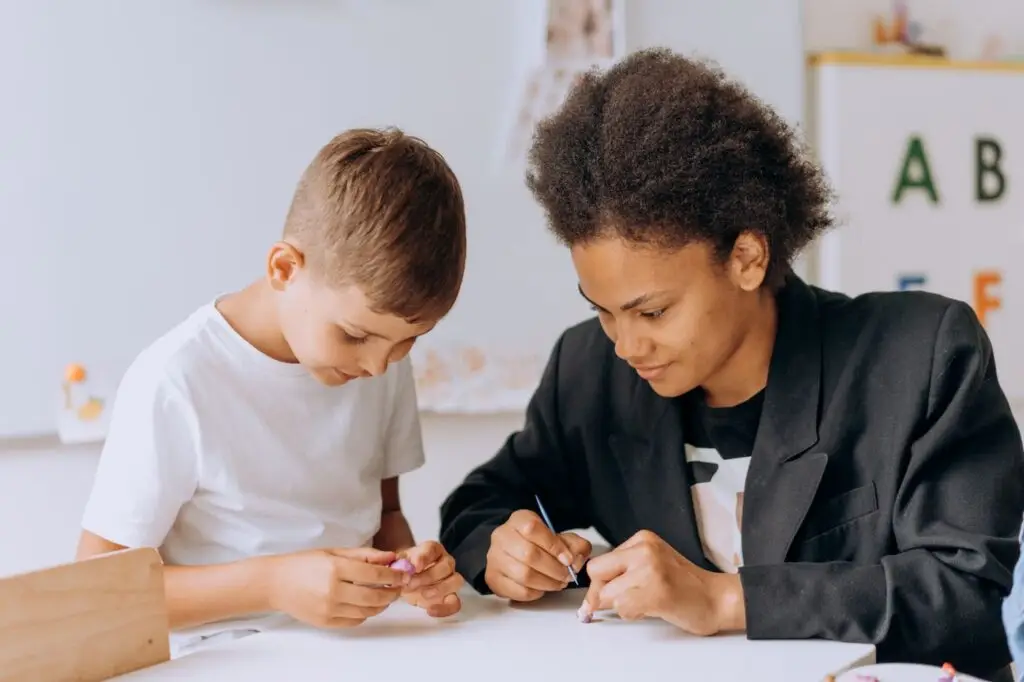
Not every school interviews students, and a few place particular weight on a conversation with the family. Yun finds that previous school reports and teacher recommendations are usually very important, so it is worth asking your child’s current school for a reference early, and having reports translated into English if they are in another language.
For families still overseas, most schools can arrange an online assessment or interview, sometimes with papers sat at the child’s current school. A few schools insist on assessing children in person on campus, which is worth knowing before you book flights.
How to prepare without over-preparing
It is one of the questions Yun hears most often. She points to the advice primary school leaders gave at a 2026 International Schools Festival panel in Hong Kong, which matches what she sees with her own families:
- The purpose of a group assessment is to see a child’s real and relaxed side, in a setting much like a normal classroom.
- Over-preparing, such as dressing a young child too formally, pushing them to act older than they are or bringing a portfolio, tends to make children more nervous and harder to separate from their parents.
- The best preparation is time together in everyday life: reading, playing and encouraging the kind of behavior you would like a teacher to see.
- If you can, visit an open day so the campus feels familiar, and make sure your child sleeps well the night before.
For older children, practice with the format of a test can reduce nerves, but intensive tutoring aimed at one school’s assessment is rarely necessary. A child who is reading widely, working steadily at school and comfortable talking about their interests is well prepared.
What schools weigh most
No two schools weigh things in the same way, but across Hong Kong’s international schools the same elements come up again and again:
- Your child’s ability to learn in the school’s language of instruction, or the support the school can offer while they catch up.
- School reports and teacher references, which show how your child learns over time rather than on one morning.
- The assessment itself, as a snapshot of where your child is now.
- How well the family and the school fit, including the family’s priorities and what the school can offer.
A child who is turned down by one school may be an excellent fit for another, which is one reason Yun encourages families to apply to a balanced list of schools. Our post on when to apply to international schools in Hong Kong explains the calendar, and for a child with additional learning needs, our post on special education needs in Hong Kong explains why early disclosure matters.
How a Bennett consultant helps
A Bennett consultant explains what each school on your list is likely to ask of your child, helps you gather reports and references in good time, prepares your family for interviews, and makes sure the schools you apply to are ones where your child can show who they really are.
Our Hong Kong education consultants prepare families for assessments every year.
Bennett International Education Consultancy works directly with hundreds of families each year across the globe. We support families by helping them make informed decisions about the best-fit schools for their children; with our guidance, they secure placement in preschools, private day schools, public/state schools, boarding schools, colleges and universities, including schools with particular programs, such as special needs support.