Moving to Sydney with Kids? 8 Questions About Sydney Schools, Answered
Sydney has many excellent public and private schools, spread across a large city, and the way a family finds the right one is a little different from the US or the UK. Bennett’s Australia consultant May O’Kane explains where relocating families tend to live, how the three school sectors work, and what tends to surprise families in their first term.
Who Is Answering These Questions
May O’Kane is an education consultant with Bennett International, based in Melbourne, who supports families relocating to Australia. She has moved often herself, both internationally and within Australia, and has lived in Brisbane, Sydney and Melbourne. She studied early childhood education in mainland China, earned a B.A. in Visual Arts from the University of Sydney and worked as a Graduation Officer at the University of New South Wales, and she spent more than seven years in the corporate world before joining Bennett. She works with families in English, Cantonese and Mandarin.
Where do relocating families live in Sydney?
For many years, May says, the Lower North Shore and the Eastern Suburbs have been the areas relocating families choose most often. Sydney’s rental market remains tight, though, and finding a home that feels right can take longer than families expect. More families now also look at the Upper North Shore and the Northern Beaches.
What these areas have in common is a mix that suits families arriving from abroad: international communities, strong schools, good transport, an outdoor lifestyle and reasonable access to the city center, which Sydneysiders call the CBD.
Does the school decision come before or after the house?
In May’s experience, the two are made hand in hand. A family has to be flexible about what is available in the housing market and, if they prefer a private school, about which schools have space. The good news is that Sydney has many excellent public and private schools in many different suburbs, so there is usually a good option within reach of wherever a family ends up.
There is one firm rule. A place at a government school depends on your home address, so a family choosing a public school has to secure a house or apartment before the school can enroll their child. Our post on enrolling in a Sydney public school on a 482 visa explains how that works for families on temporary visas.
How do public, Catholic and independent schools differ?
Australia has three main school sectors. Government schools are usually called public schools, and non-government schools are usually called private schools. Within the private sector, Catholic schools form their own system, separate from the other independent schools. In Sydney most of them are run by one of three diocesan offices, depending on where you live, and a smaller number are run independently by religious orders.
Most independent schools have a religious affiliation, which May says has more to do with the history of how Australia’s schools were founded than with strict religious practice today. Catholic schools usually give priority to practicing Catholic families, and many also enroll families of other faiths when places are available. Independent schools, religious and secular, charge fees.
One point reassures many parents: the courses and standards of public and private schools are very similar, and every high school prepares students for the same nationally recognized qualifications.
Is a public school a good choice for a relocating family?
Often, yes. May finds that public school enrollment is generally easier than private, which can suit a younger family on a shorter stay. Many families with primary-age children choose their home in a good suburb, within the intake area of a well-regarded public school, and enroll there.
The choice between the sectors, in May’s view, comes down to the financial commitment, how much flexibility a family needs with enrollment, how they want to be part of the local community, and their own values. Families on temporary visas should know that NSW charges their children an annual fee at government schools, which is part of that financial picture.
What about international schools?
Sydney has full-time French, German and Japanese schools, which suit families who want a particular language or national curriculum, often because they expect to move to that country next. Unless that is the plan, May finds that most families choose a local public or private school.
Families with teenagers in Years 10 to 12 are the most likely to look for a school offering the International Baccalaureate, usually an independent school, particularly when they hope their child will go to university in the UK or the US. We look at that choice in HSC or IB Diploma in Sydney?
The most common surprise, May says, is that there are not many international schools to choose from, and that relocating families compete with local families for places at independent schools.
How hard is it to get into a private school in Sydney?
It depends on the school and the year level. The most sought-after independent schools are very difficult to enter even for local families, and a family arriving with three to six months’ notice will usually be placed on a long waiting list. But there are many other good independent schools, and entry is generally easier in the early primary years than later on. May’s advice on applying, and on what to do about a waiting list, is in Sydney Private School Waiting Lists: What an Arriving Family Can Do.
What surprises families in their first term?
May’s work with a family usually ends once the children are accepted and enrolled, but three things come up again and again.
The first is language. Australians use a lot of slang, and even native English speakers can take a while to tune in. The second is the school holidays. There is a two-week break between each of the four terms, and the summer holiday runs from mid-December to early February, so working parents need to plan care and activities for those weeks. The third is getting to school. Many students travel by public transport, walk or are driven, and while dedicated school bus services run on many routes and some private schools run their own, a school bus at the end of the street is not something to assume.
What if we are moving somewhere else in Australia?
Each state runs its own school system and makes its own rules in some areas, even though national law applies across the country. Starting ages, fees for visa holders and even the name of the first year of school change from one state to the next. May’s approach is to research each family’s destination carefully and to explain the differences clearly. For the two largest cities side by side, see Sydney or Melbourne? How School Works Differently for Relocating Families.
Talk It Through With Someone Who Knows Sydney’s Schools
Working out whether a public, Catholic or independent school is the right route for your child, and then finding the specific school, is the work our Sydney education consultants do every week.
Get in touch with a consultant who knows Sydney’s schools, for an hour of clarity →
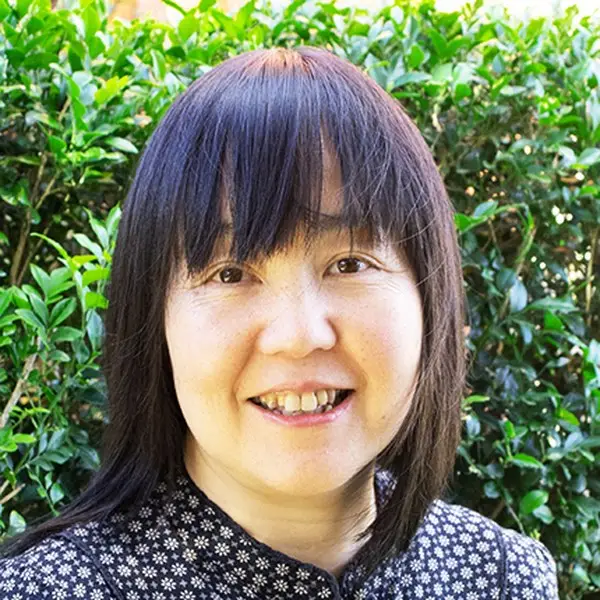
May O’Kane is an education consultant with Bennett International, based in Melbourne, who supports families relocating to Australia from overseas and from one state to another. She studied early childhood education in mainland China, holds a B.A. in Visual Arts from the University of Sydney and worked as a Graduation Officer at the University of New South Wales before moving to Melbourne. She works with families in English, Cantonese and Mandarin.
Bennett International Education Consultancy works directly with hundreds of families each year across the globe. We support families by helping them make informed decisions about the best-fit schools for their children; with our guidance, they secure placement in preschools, private day schools, public/state schools, boarding schools, colleges and universities, including schools with particular programs, such as special needs support.