What to Look for in a School’s Special Education Needs Support
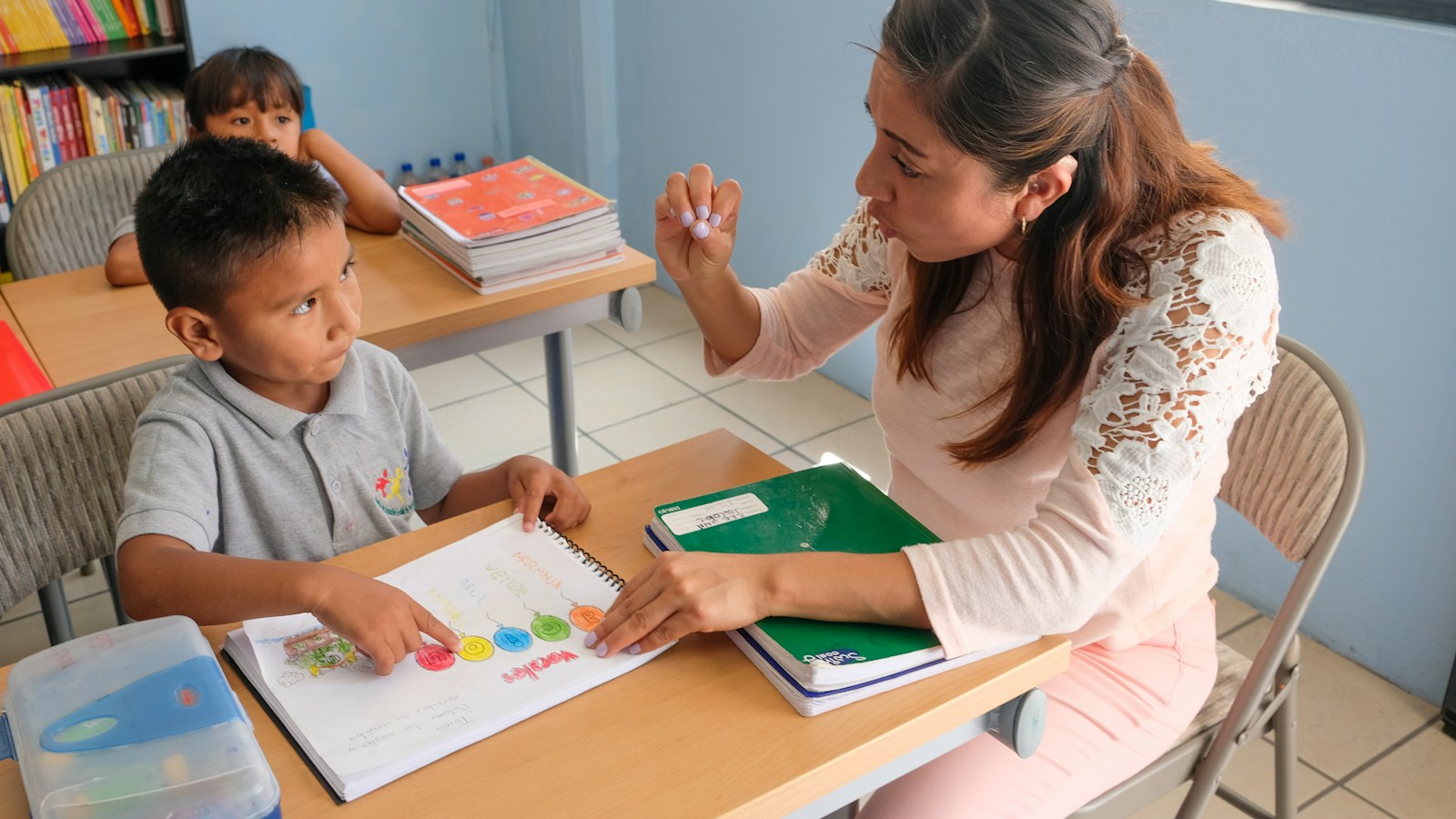
Most schools describe themselves as inclusive and supportive, and most mean it. The structure and quality of Special Education Needs support still vary a great deal from one school to the next, and a family can learn to see the difference.
For families of children with Special Education Needs (SEN), evaluating a school’s support can feel like the most important part of the search and the hardest to pin down. The language on a website tends to be similar everywhere. What a family wants to understand is how support works on an ordinary Wednesday.
We partner with families around the world as they assess schools for children with a range of learning profiles. These are the elements we encourage families to look at, and the questions that tend to reveal the most.
A Clear Definition of What the School Supports
A strong SEN program begins with clarity.
Look for a school that’s specific about the kinds of learning differences it supports regularly and the level of support it can provide. Schools that explain their approach plainly, including what they do well and where their limits are, tend to be the better partners. A school that says “we’re not the right fit for this profile” is doing a family a service.
Specific answers signal experience. Where answers stay general, it’s worth asking for an example.
Who Delivers the Support, and How Accessible They Are
Support is only as strong as the people providing it.
Families can ask who provides SEN support day to day, what training and experience the specialists and classroom teachers have, how accessible support staff are to students and parents, and whether services are centralized in one department or integrated across classrooms.
The strongest programs involve collaboration between classroom teachers, learning specialists and counselors rather than relying on one person. Effective SEN support is a team effort, not an isolated service.
Support Woven Into Daily Learning
Support that exists only in a separate room can feel disconnected from the rest of a child’s day.
Ask how learning support is built into regular classes. That might mean differentiated instruction, co-teaching, structured check-ins, flexible ways of demonstrating understanding or accommodations that are applied consistently rather than remembered occasionally. The most effective environments support students without making them feel singled out or separate from their peers.
Communication and Partnership With Families
Clear, regular communication is one of the strongest predictors of a placement working over time.
Families can ask how often they’ll receive updates, how progress is measured, who their main point of contact will be and what happens when a parent raises a concern. Schools that value partnership invite family input and respond to questions openly. That transparency lets a family stay informed rather than reacting late.
Social and Emotional Support Structures
For a child with learning differences, learning and emotional well-being are closely linked.
It’s worth exploring how a school supports students emotionally, especially during moments of difficulty or transition. Counselors, advisory systems, peer support programs and a school-wide culture of inclusion all play a part. A school that prioritizes emotional safety helps a child build confidence alongside skills.
Flexibility as Needs Change
Children grow, and their needs change with them.
Strong SEN programs are responsive rather than fixed. Families can ask how the school reacts when a plan isn’t working, how often support is reviewed and how the school handles a child whose profile shifts over a few years. Responsiveness is often a better indicator of quality than the presence of any particular program.
Support That Builds Toward Independence
The best support prepares a child not only for this year but for the transitions ahead.
Ask how the school helps students develop independence, self-awareness and the ability to advocate for themselves. Those skills are what carry a child into the next school, into university and beyond. Support that builds capability is different from support that creates dependence, and the difference is visible in how a school talks about its older students.
Information and Instinct Together
Details matter. So does how a school feels.
Pay attention to whether conversations feel collaborative, whether staff listen carefully and whether the school talks about students with learning differences in a strengths-based way. These softer signals usually reflect how support is experienced by a child day to day.
Families moving internationally face one more question, which is how much of an existing plan a new school will recognize. We’ve answered that in Does My Child’s IEP Transfer Abroad?, and our case study of a move from Singapore to Jakarta with Special Education Needs shows how continuity of support was planned across a border.
How a Bennett consultant helps
Evaluating SEN support can be emotionally demanding, especially for a family whose child has been in a placement that didn’t fit. We help families ask the right questions, interpret what a school says and assess whether a program’s support matches their child’s profile. Our consultants have worked inside these programs, and that experience is what we bring to the conversation. If you’re earlier in the process, we’ve written about why the right school matters even more for a child with Special Education Needs.
Bennett International Education Consultancy works directly with hundreds of families each year across the globe. We support families by helping them make informed decisions about the best-fit schools for their children; with our guidance, they secure placement in preschools, private day schools, public/state schools, boarding schools, colleges and universities, including schools with particular programs, such as special needs support.