Moving to Tokyo with Kids? 8 Questions About Tokyo Schools, Answered
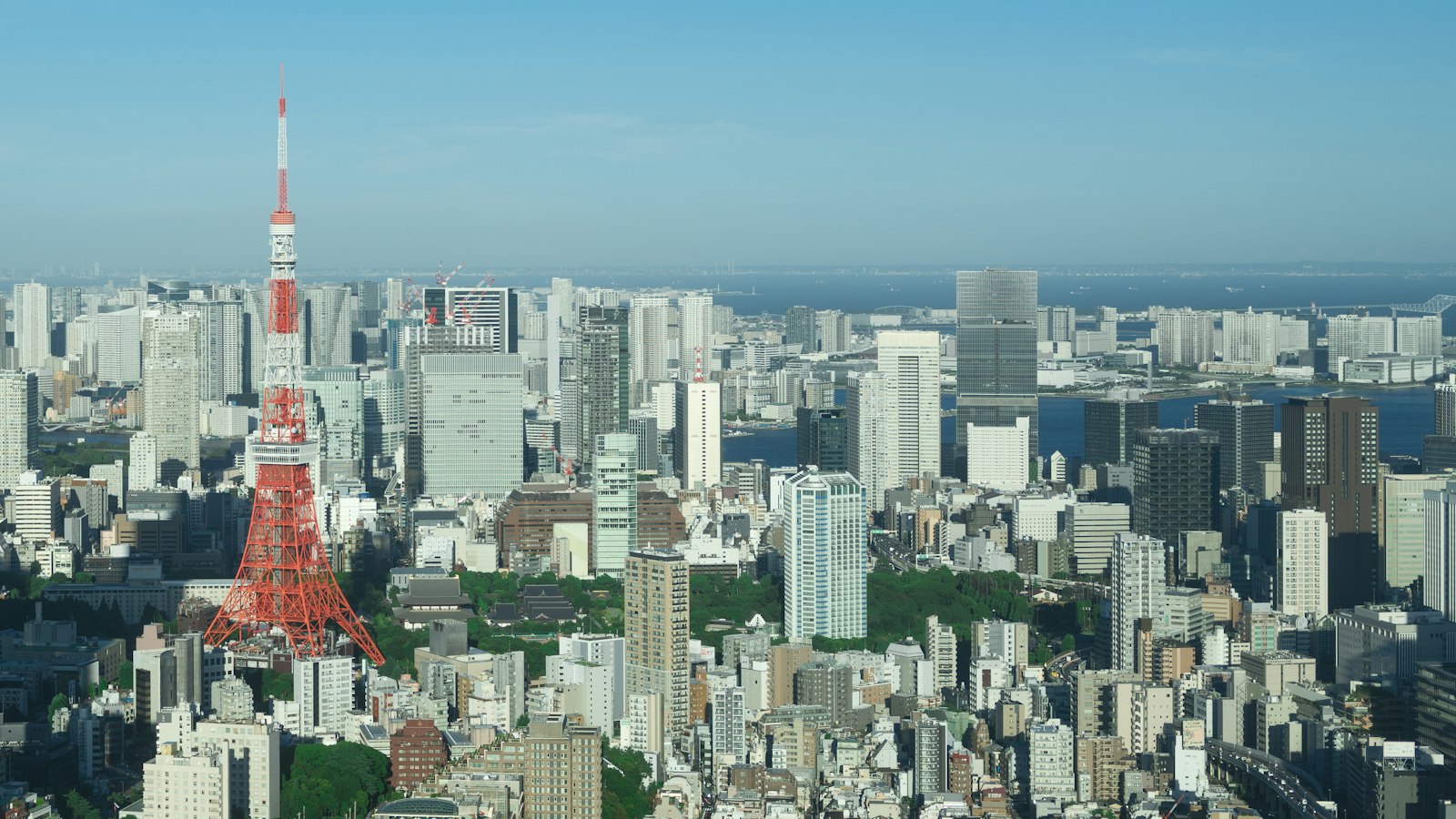
Tokyo has fewer international schools than Singapore or Hong Kong, but a remarkably varied range, spread across a much larger area. Bennett’s Asia-Pacific consultant Yun Sun explains how families find a place, and why settling the school before signing the lease is usually the order that works.
Who Is Answering These Questions
Yun Sun has worked as an education consultant with Bennett for more than a decade, supporting families relocating to Japan, Hong Kong, mainland China, South Korea, Taiwan and other destinations across Asia, and she is Bennett’s Manager of Client Relations for Asia-Pacific. Based in Hong Kong, she grew up in Beijing, studied at Peking University, and holds a B.A. in Biochemistry and Economics from Wellesley College and an M.B.A. from MIT Sloan. Before joining Bennett she worked in management consulting and banking in the United States, and then relocated to Hong Kong as an expatriate herself.
Does my child have to go to an international school in Tokyo?
For most relocating families, in practice, yes. Yun’s view is that the language, the culture and the calendar together mean an international school teaching in English, or in the child’s own language, is often the only realistic option for expatriate families, and for many Japanese families returning from abroad too.
It is a practical judgment rather than a legal one. Japanese public elementary and junior high schools accept foreign children free of charge, on the same terms as Japanese children. But they teach in Japanese, and the Japanese school year runs from April to March, while most international schools start in August or September. A child arriving without Japanese, partway through the Japanese year, is usually better placed in an international school.
The reverse is also true: some Japanese families who live in Tokyo choose international schools for their children, and a number of schools with “international” in the name mainly serve Japanese students. It is worth knowing which is which before you apply.
Why can a place be harder to find than in Singapore or Hong Kong?
Because there are fewer of them. A study commissioned by Japan’s Financial Services Agency counted 43 international schools in Tokyo in 2021, against 60 in Singapore and 74 in Hong Kong.
Geography adds to it. The schools are spread widely across greater Tokyo, while relocating families tend to settle in the same few residential areas, so the established schools within easy reach of those areas are the ones most families apply to. Places there can be limited, and some schools hold a waiting pool rather than admitting everyone who qualifies.
When should we start applying?
As early as the move allows. At several of Tokyo’s established schools, applications for an August start open the previous autumn, and decisions run from late winter into the summer. Others admit on a rolling basis when places are available, and a few restrict when new students can join during the year.
Many schools also ask something of the parents. At several established schools at least one parent must be fluent in English, and some set other conditions of their own. Applying to more than one school, and early, is the most reliable approach.
Should we choose the school or the neighborhood first?
The school, wherever possible. Many families arrive with a clear picture of living in central Tokyo before they have looked at a single school, and that is understandable. But the international schools are spread widely across the greater metropolitan area, so a fixed address can quietly narrow the choice. Yun’s advice is that settling the school before signing the lease is usually the order that works: many families then choose to live near the school, or along one of its bus routes where it runs them.
Getting to school is part of daily life in a way that can surprise families from other cities. It is worth checking rather than assuming that a school bus will be available: many schools run only limited routes, and some none at all. Tokyo’s public transport is safe and reliable, and many international school students use it, especially where school bus service is not available, with older students often traveling on their own. In Yun’s experience the school run by car is much less a part of family life here than in many other cities, which makes the journey from home to school worth planning with care.
Is a central campus better than one further out?
It is a trade-off rather than a right answer. As in other major Asian cities, space in central Tokyo is scarce, so central campuses tend to be compact, and several have no sports field of their own. Larger campuses with more extensive facilities sit further out, and one of the best-known schools describes its suburban campus as the largest international school campus in Japan.
Families weigh commute against facilities differently at different ages. A short journey matters most for young children; older students often value the space, the sports and the breadth of activities a larger campus can offer.
What kinds of international schools does Tokyo have?
A wider range than its size suggests. Some are deeply rooted: Tokyo’s oldest international schools still operating were founded in 1902 and 1908. Nearby Yokohama, around half an hour from central Tokyo by train, adds further options, including the region’s German school and one of the oldest international schools in Asia. At the same time, new schools continue to open, the International Baccalaureate keeps growing, and bilingual English and Japanese programs are expanding.
Most schools teach the IB, the British national curriculum or the American curriculum, and some follow a national program, including French, Canadian and Indian ones; the region’s German school is in Yokohama. Many are secular, and a good number have a religious affiliation, including Catholic, Protestant and Islamic schools. Most are day schools, with boarding available at only a few schools in the wider region.
Are there Montessori, single-sex or specialist options?
Yes, and some of them are unusual. Montessori settings are common for young children, Reggio Emilia-inspired programs are available too, and one Tokyo Montessori school has begun extending its program into high school, adding a grade each year, which is rare in the international school world.
Tokyo also has several long-established single-sex international schools, including girls’ schools whose kindergartens also take boys, and a boys’ school, which again is unusual among international schools. And some newer schools are progressive, experimental or highly individualized: at least one focuses on the sciences, and at least one specializes in children with learning differences, with small classes and therapists on staff. For a child who would not thrive in a large mainstream school, those options are worth knowing about early.
We are a Japanese family moving home. Can our children attend an international school?
Yes, and many do, but for a child of Japanese nationality the choice has consequences that expatriate families do not face. Most international schools in Japan do not count toward compulsory education under Japanese law, which can close off entry to a Japanese public middle school later on, and the routes back into the Japanese system at high school and university have their own rules.
We have written about this in detail in Returning to Japan with Children: International School or Japanese School? The short version is to decide the longer-range plan first, and to speak with your local board of education before you enroll.
Talk It Through With Someone Who Knows Tokyo’s Schools
Working out which of Tokyo’s international schools is the right route for your child, and then finding the specific school, is the work our Tokyo consultants do every week.
Get in touch with a consultant who knows Tokyo’s admissions teams, for an hour of clarity →
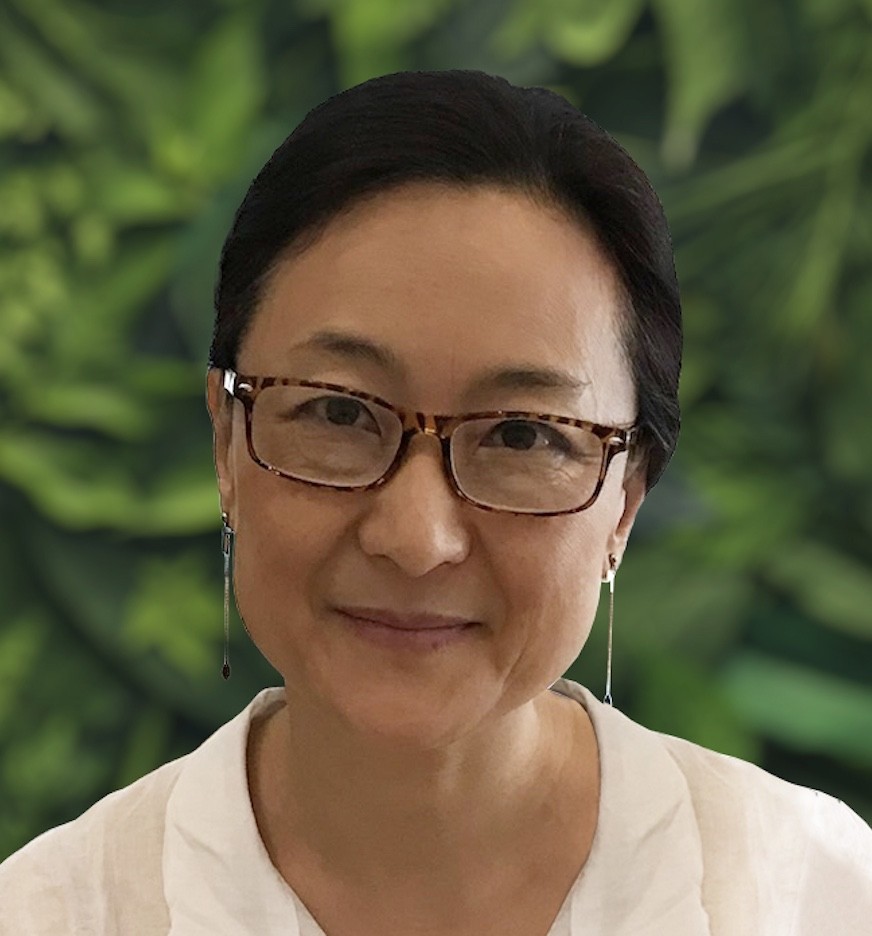
Yun Sun is an education consultant with Bennett International and Bennett’s Manager of Client Relations for Asia-Pacific, based in Hong Kong. For more than a decade she has supported families relocating to Japan, Hong Kong, mainland China, South Korea, Taiwan and elsewhere in Asia. She grew up in Beijing, studied at Peking University, and holds a B.A. from Wellesley College and an M.B.A. from MIT Sloan. She is fluent in Mandarin and English and conversant in French.
Bennett International Education Consultancy works directly with hundreds of families each year across the globe. We support families by helping them make informed decisions about the best-fit schools for their children; with our guidance, they secure placement in preschools, private day schools, public/state schools, boarding schools, colleges and universities, including schools with particular programs, such as special needs support.