Navigating the World of For-Profit International Schools
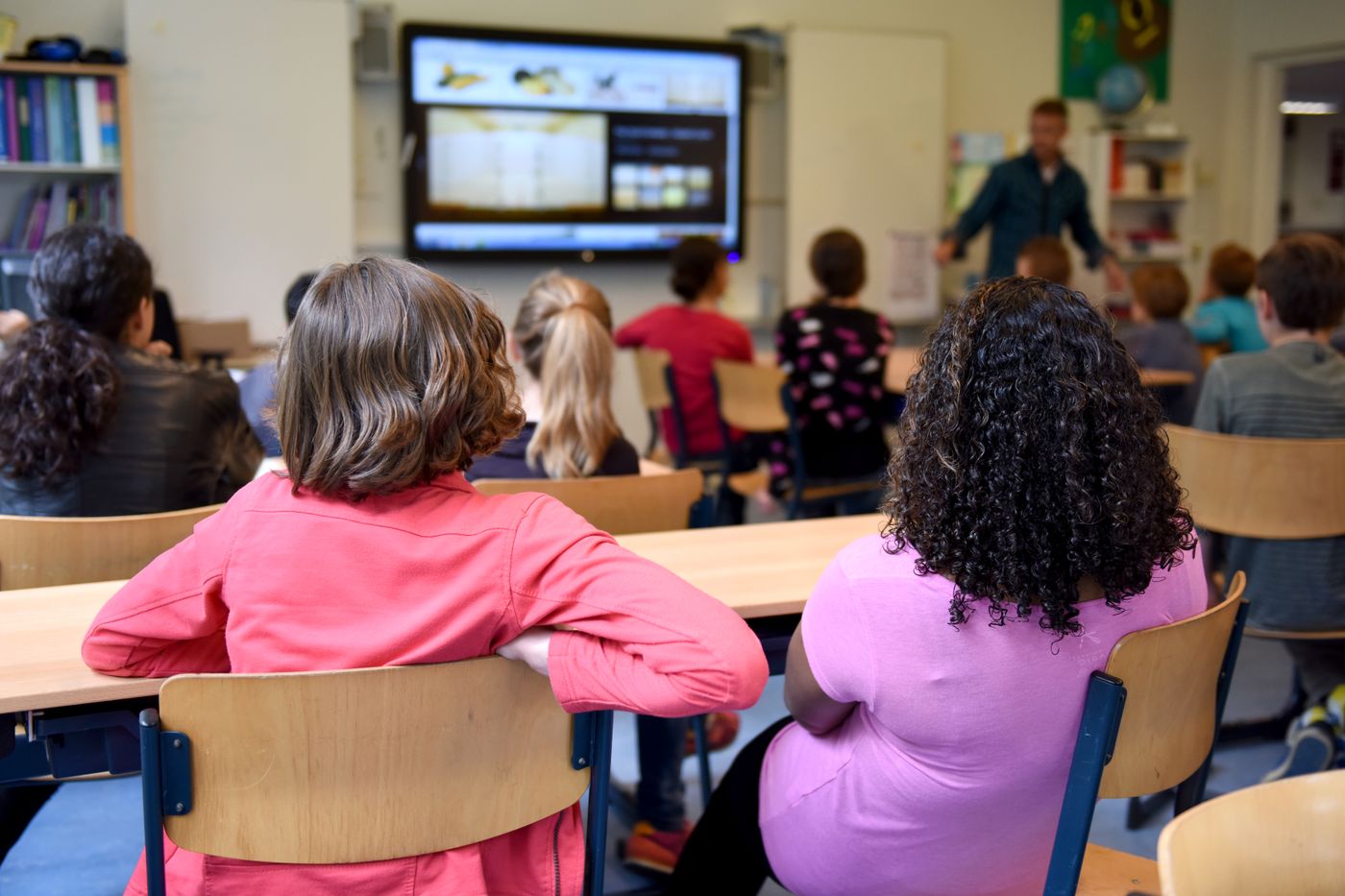
A school’s ownership structure tells you very little about the quality of education it provides. Here’s what to look at instead.
For many parents exploring international education, the school landscape can feel both exciting and overwhelming. One of the biggest changes over the past few decades has been the rise of for-profit international schools. If you are at the earlier stage of weighing options, our guide to choosing an international school covers the factors that matter most. Understanding how these schools fit into the broader history of international education can help families make informed, confident choices.
Where International Schools Came From
Traditionally, international schools were mission-driven institutions. Many were established by embassies, multinational companies, religious organizations, or groups of expatriate families who wanted continuity of education for children living abroad. Their primary purpose was not to generate profit, but to serve a specific community and provide a stable education experience for internationally mobile students. Our consultant in Madrid explains what makes a school genuinely international rather than international in name only.
The Rise of Global School Groups
Many of these long-established schools continue to thrive today and remain highly respected. However, they are now outnumbered by a new generation of international schools operated by global education companies and school groups. These organizations may own dozens, sometimes hundreds, of schools across multiple countries.
Does “For-Profit” Mean Lower Quality?
Some parents worry when they hear the term “for-profit” applied to education, but it’s important not to jump to conclusions. A school’s ownership structure alone tells us very little about the quality of education it provides. In fact, many for-profit international schools offer outstanding teaching, excellent facilities, strong academic results, and rich extracurricular opportunities. Large school groups can bring significant advantages, including investment in campuses, staff development, curriculum resources, and global networks that benefit students.
The key is not whether a school is for-profit or not-for-profit. The key is whether it is well run.
What to Ask When You Visit a School
Parents should approach every school with curiosity and questions. Ask about teacher qualifications and experience. Find out how long teachers typically stay at the school, as high staff turnover can sometimes be a warning sign. Consider class sizes, specialist support services, extracurricular offerings, and the quality of facilities. Speak with current parents if possible, and look beyond glossy marketing materials.
Questions About the Parent Organization
It can also be useful to ask school leaders about the relationship between the school and its parent organization: How are program and curricular decisions made? How are profits reinvested? What level of autonomy does the school leadership have? Transparent answers often reflect a healthy organizational culture.
What the Best International Schools Have in Common
Ultimately, the best international schools, whether for-profit or not, share the same goal: the creation of an education environment where students are both supported and challenged, a place where they uncover their potential and thrive. By understanding a school’s financial structure and governance, and by asking informed questions, parents can choose a school that truly meets their child’s needs.
Talk It Through With Someone Who Visits These Schools
Weighing up a shortlist of international schools and unsure what a school’s ownership structure really means for your child? Our consultants walk these campuses, meet the leadership teams, and know which questions get past the marketing.
Get in touch with a consultant who walks these campuses, for an hour of clarity →
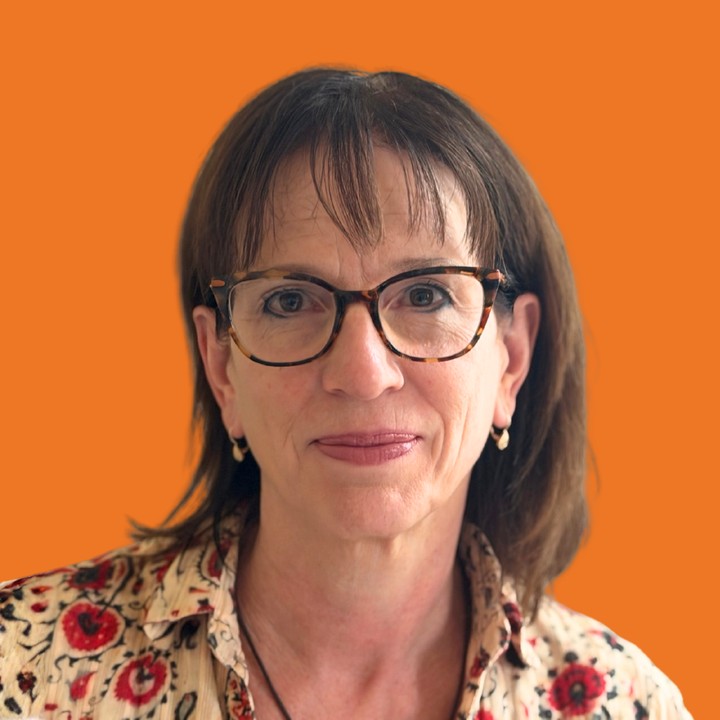
Elizabeth Sawyer is the CEO of Bennett International Education Consultancy. She acquired the company in 2009 and has grown it into a global practice of more than 70 consultants, expanding its reach with the acquisition of School Choice International in 2018. Elizabeth spent the first twelve years of her life overseas, moving through five different education systems between Ireland and New York, and went on to teach English, French and Spanish at private high schools in the US for fifteen years. That combination of firsthand experience as a relocating child and a career in the classroom shapes how Bennett works with families, and with the corporate and RMC teams supporting them.
Bennett International Education Consultancy works directly with hundreds of families each year across the globe. We support families by helping them make informed decisions about the best-fit schools for their children; with our guidance, they secure placement in preschools, private day schools, public/state schools, boarding schools, colleges and universities, including schools with particular programs, such as special needs support.