Early College Planning: Why the Families Who Start Sooner Have the Smoothest Journey

Your child’s college journey doesn’t begin with applications. It begins with the conversations, choices, and self-awareness that take shape years earlier. Here’s what early planning looks like, and why more families are choosing to start in middle school.
There’s a moment that arrives for most parents somewhere around seventh or eighth grade. Your child is doing well. They’re involved. They’re growing up. And quietly, in the background, a question starts forming: Are we doing enough to set them up for what comes next?
It’s not a panicked question. Not yet. It’s more of a hum. And the instinct for most families is to wait. College feels far away. There’s plenty of time. And besides, who really thinks about college when their child is 12?
More families than you might expect. And not because they’re anxious or overly ambitious, but because they’ve learned (or someone has told them) that the years between sixth grade and the start of the college application process are when the most important groundwork gets laid. The course selections, the activities, the self-discovery, the conversations about what matters and why. All of that happens before a single application is submitted.
The families who start early aren’t trying to get ahead of other families. They’re trying to understand their own child.
What Early College Planning Actually Looks Like
This isn’t about mapping out a child’s entire future at age 12. It’s not a curriculum or a program that gets loaded onto an already full plate. And it’s certainly not about turning every family holiday into an education exercise.
Early college planning is about information, awareness, and guided decision-making. It’s about making sure that the choices being made right now (which courses to take, which activities to invest time in, what summer experiences to explore) are informed by someone who understands how those choices connect to what comes later.
At Bennett, the process begins with a comprehensive intake interview with both the parents and the student. We want to understand the family’s values, the student’s interests and strengths, their academic profile, and what they’re hoping for. From there, we put together a customized plan that includes course selection guidance, extracurricular recommendations, and summer program suggestions, all tailored to that specific child’s profile and goals.
This isn’t a to-do list for the rest of your child’s school career. It’s a living plan that evolves as your child evolves. Goals shift. Interests change. A student who was passionate about science in eighth grade might discover a love of writing in tenth. The plan adapts with them, because it’s built around who they are, not who someone thinks they should be.
The Value of a Long-Term Partnership
One of the things that makes this kind of planning different from a one-time consultation is the relationship itself. This is an ongoing partnership between your family and a consultant who gets to know your child over the course of years, not weeks.
There are regular check-ins (twice a year at minimum, with monthly email touchpoints in between) to review progress, talk through new considerations, and plan for the upcoming academic term or year. Your consultant becomes someone who knows your child’s story: where they started, how they’ve grown, what excites them, and where they might need a nudge.
And there’s something else that parents consistently tell us is valuable: having someone outside the family who can be that voice of guidance. As one of Bennett’s college counselors put it, students listen differently to someone who isn’t their parent. The advice might be the same, but it lands differently coming from a trusted advisor who’s invested in their success but isn’t sitting across the dinner table every night.
That’s not a replacement for parenting. It’s a relief valve. It takes the friction out of conversations about grades, about effort, about next steps. It lets you focus on being mom or dad while someone else handles the strategic nudging.
Why This Matters More for Globally Mobile Families
For families who move internationally, early college planning takes on an additional layer of importance. If you’re relocating every few years, your child may be moving between education systems, curricula, and grading structures. A student who starts in the American system, moves to the British system, and returns to the US has a transcript that doesn’t tell a straightforward story.
Having a consultant who’s tracking that journey from the beginning, who understands how to position those transitions in the context of a college application, is enormously valuable. They can help ensure that course selections in each country build on one another, that nothing falls through the cracks, and that the student’s profile makes sense to an admissions committee that may not understand what an IGCSE is or how an IB predicted grade translates.
For repatriating families, the guidance is equally important. A student returning to the US after years abroad may face questions about extracurricular gaps, unfamiliar testing requirements, or academic credit transfers. Having someone who’s been walking alongside the family through all of that makes the transition far smoother.
Children with Additional Learning Needs
For families with a child who has special educational needs, early planning is especially meaningful. The college landscape for neurodivergent learners has expanded significantly in recent years, and there are more options, support structures, and accommodations available than ever before. But knowing which colleges genuinely support students with learning differences (and which ones simply say they do) requires research and expertise.
Early planning gives families time to build the strongest possible profile for their child, to understand what accommodations they’re entitled to, and to identify schools where their child will be supported and celebrated, not just tolerated.
What About College Itself?
Parents often ask about the college decision even at this stage, and that’s a good instinct. One of the benefits of starting early is that it opens the aperture on what’s possible. A family that begins exploring in eighth or ninth grade has time to visit campuses casually, with no pressure and no agenda. They can see what a large research university feels like compared to a small liberal arts college. They can talk about distance, about culture, about what kind of environment might suit their child.
These early, low-stakes explorations help students develop preferences they didn’t know they had. And when it’s time to build a college list in earnest, those preferences become the foundation for a search that’s grounded in self-awareness rather than reputation alone.
When a student reaches the end of 10th grade, the early planning relationship transitions seamlessly into college-specific consulting. The new consultant doesn’t start from scratch. They inherit a full picture: years of context, a well-developed student profile, and a family relationship that’s already built on trust.
It’s Not About Getting Ahead. It’s About Being Ready.
The families who start this journey early aren’t trying to game the system or secure an advantage over other applicants. They’re trying to make sure that when the time comes, their child is prepared, not just on paper, but as a person. That they know themselves. That they’ve had the right conversations. That the choices they’ve made along the way were intentional rather than accidental.
There’s no wrong time to start. Whether your child is in sixth grade or ninth grade, the value of having an experienced partner who can help you see the bigger picture is the same. The earlier you begin, the more time there is for your child’s path to take shape naturally rather than being crammed into the final two years of high school.
And for parents, there’s a quieter benefit that’s worth naming: early planning means the college process doesn’t have to consume your child’s senior year. That last year at home, the final stretch before they leave, can be about enjoying each other’s company rather than fighting over deadlines and essays. More than a few parents have told us that’s the part they valued most.
How to Get Started
The first step is a conversation. We’ll spend 15 to 20 minutes learning about your family, your child, and where you are in the journey. From there, we’ll share how we can help and put together a proposal tailored to your situation.
Whether you’re a local family in the US thinking ahead, an internationally mobile family managing transitions, or a parent of a child with additional learning needs who wants to make sure every option is on the table, we’re here to walk this road with you.
Get in touch with a college consultant who starts early, for an hour of clarity →
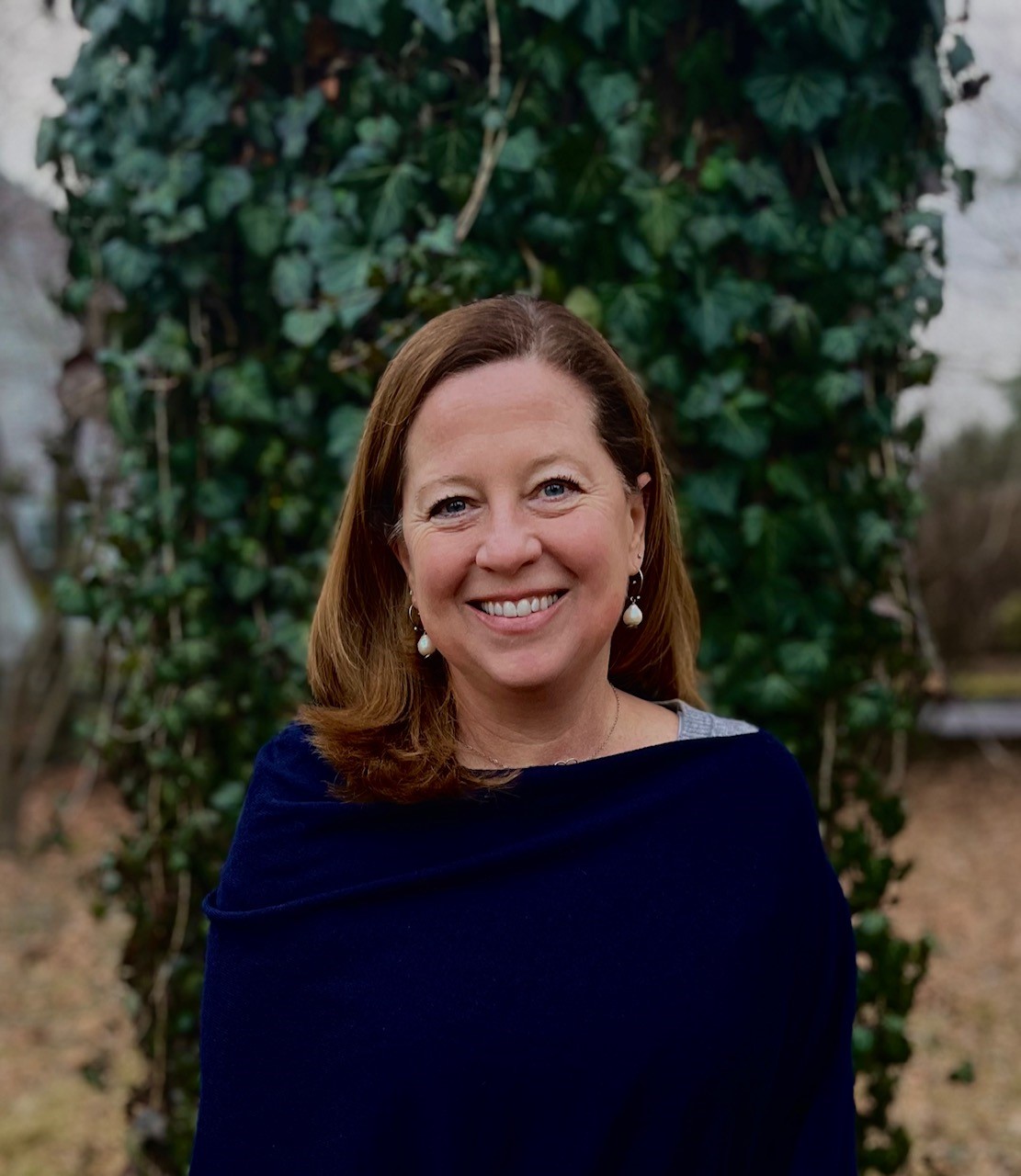
Erin Brady began education consulting with Bennett in 2006, supporting families relocating to the US, eventually focusing on US boarding school and New York city placements, Pre-K through grade 12. She joined the ranks of Bennett employees in 2018 in an expanded role of a Global Team Lead, managing a team of consultants who work with families relocating to the Greater NYC area, Connecticut, New Jersey, Pennsylvania, and Canada.
Prior to her second career in education consulting, Erin worked in Lower, Middle, and Upper School Admissions, taught middle school English, coached varsity cross country and track, and served as an academic advisor in several prominent day and boarding schools in the US and the UK. She has lived in England and Ireland and holds a B.A. in English and Creative Writing from Penn State University.
Bennett International Education Consultancy works directly with hundreds of families each year across the globe. We support families by helping them make informed decisions about the best-fit schools for their children; with our guidance, they secure placement in preschools, private day schools, public/state schools, boarding schools, colleges and universities, including schools with particular programs, such as special needs support.