Special Education Needs in the UAE: 8 Questions of Interest to Parents in the UAE, Answered by a SEN Consultant in Dubai
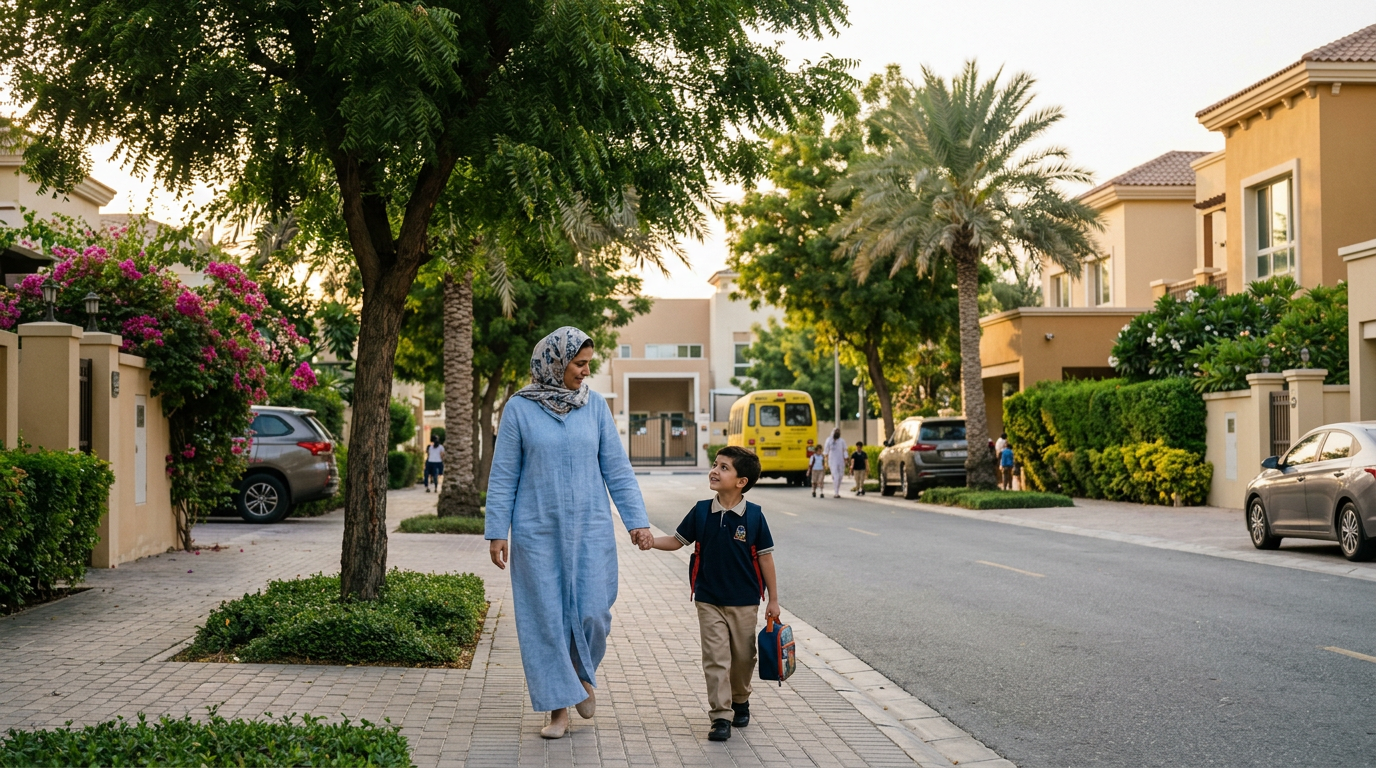
From understanding available resources to choosing the right curriculum, navigating therapies, and knowing when to trust your instincts, Bennett’s Dubai-based SEN specialist, Anushay Hussain, shares what families in the UAE with children who have additional needs should consider.
If you’re a family relocating to the UAE with a child who has additional learning needs, or if you’re already here and beginning the SEN journey for the first time, you may have a lot of questions and not always be sure whom to ask. What kinds of support for children with additional needs exist, in and outside of schools? Will my child’s current support plan transfer? Which supports will most help my child, and how do I have that conversation with my child’s school? How do I sort through the different therapeutic recommendations and pieces of advice I’ve been given?
We sat down with Anushay Hussain, a Special Educational Needs consultant with Bennett International, based in Dubai, to talk through the questions families are asking most. Anushay is a licensed Speech-Language Pathologist with over 10 years of clinical experience, which means when she sits down with a family, she’s not just talking about school options. She’s talking about a child’s specific profile, what support looks like in practice, and what questions parents should be asking. She visits schools, builds relationships with SENCOs and learning support teams, and advises parents on creating the best possible support plan for their child.
Anushay relocated to the UAE from Pakistan, where she founded and continues to oversee a multidisciplinary child development clinic providing speech therapy, occupational therapy, and behavioural support. She holds both a B.S. and M.S. in Speech-Language Pathology and is fluent in English and Urdu.
In this conversation, she discusses the UAE’s SEN landscape, the differences between curricula, what to do with a new diagnosis, how to evaluate therapies, and the misconceptions that worry and sometimes mislead families.
Watch the video interview below:
Tell us about yourself, your background, and the families you work with in the UAE.
I’m a Special Educational Needs consultant for Bennett International, and what I do is work with families that are relocating to the UAE or currently residing here and who have children with additional learning needs or a diagnosis. My clinical expertise is that I’m a speech and language therapist with over 10 years of experience.
So when a parent comes to me, I’m actually able to give them both sides of the picture: the education consultancy part, as well as the clinical needs of their child. On the ground here in Dubai, I work directly with families to help them understand the local education system, identify the right school fit, navigate the SEN admissions process, and make sure their child’s needs are genuinely being met, not just on paper.
I also visit schools, build relationships with SENCOs and learning support teams, and stay current on which schools are truly inclusive versus which ones simply say they are. Ultimately, I’m here to be the person families wish they’d had when they first arrived: someone who knows the system, knows the schools, and has the clinical background to understand their child.
For a family relocating to the UAE with a child who has additional needs, what’s the first thing they should know about how the system works here?
Families that are relocating to the UAE or are just beginning their SEN journey need to know that the UAE doesn’t have a unified SEN system. It really depends on the school you’re enrolled in, the curriculum being followed, and the SENCO and inclusion team at that particular school.
That said, the KHDA in Dubai does regulate inclusion, and it’s good that it’s being monitored and there is a baseline to follow. The schools are genuinely committed to making sure that IEPs are created and followed through, and they do take advice from professionals.
I think the biggest mistake families make is not having a specialist guide them through this journey. They assume that whatever plan is currently in place will just follow through. It won’t transfer automatically, and having someone who understands both the clinical and education side before you move makes an enormous difference.
The UAE has schools following many different curricula. How does that variety affect options for children with SEN, and what should families prioritise?
Dubai alone has British, American, Indian, French, IB, and other curriculum schools, and I would say each handles SEN very differently. It’s about their own expertise, their experiences, their certifications, and of course their own philosophy as well.
So, for example, a British curriculum school would have a SENCO who’s more familiar with UK-style support plans. An American school might have somebody who is very knowledgeable when it comes to the IEP framework. But that doesn’t mean one is better than the other. It means you need to figure out which system fits your child the best.
Families should prioritise things like: how dedicated is the learning support staff? What is the learning support assistant to child ratio? Are there any AAC (Augmentative and Alternative Communication) adaptations within a classroom setting? And most importantly, are there children with similar profiles to yours who are already thriving there?
At the end of the day, I would tell parents: don’t just ask, “Do you accept children with special needs or different learning styles?” Ask questions like, “What does a typical week look like for a child like mine?” Questions like these are the kind of guidance we can provide from an education consultancy lens.
For families who’ve recently received a diagnosis, what’s your general advice for getting the right support in place quickly?
For families that have just received a diagnosis, I would like to say firstly that I know it’s the most difficult time for any family to go through. It’s really difficult to accept because at the end of the day, it is your child, and you want nothing but the best for them.
So just try to see it from a different lens. A diagnosis is something that gives you more information. It helps you open doors that weren’t accessible before. And now you can actually get the right resources for your child.
Some of the important things would be getting your documentation in order. Assessment reports, therapy summaries, existing school plans. These help you go into a new system or recreate a plan for the school your child is currently enrolled in. One thing that really helps is starting conversations with schools early, ideally six months before your move, because placements in inclusive mainstream schools in Dubai fill up fast.
The families who navigate this best are the ones who come prepared. They know what their child’s profile is, the non-negotiables, the needs, the support required. And at the end of the day, having a consultant can help you organise all of this.
What about families who don’t yet have a diagnosis but sense something may be different about their child? Where do they start?
When a family doesn’t have a diagnosis yet, I would tell them: if you feel, as a parent, that something is off, something doesn’t make sense, it’s not looking right, please trust your instincts. You know your child the best, and the faster you know, the faster you can take action.
There’s no harm in visiting a developmental paediatrician, a neurologist, a speech and language therapist for communication concerns, or a psychologist. It’s just going to get you more information faster. Even if there’s no diagnosis and there are just skills that need to be worked on, everybody’s there to help you.
The best part about Dubai is that you have access to private developmental and paediatric assessments without a GP referral, and there’s no waiting list. It just makes the process so much more accessible. There are no prerequisites.
And even if there’s no diagnosis yet, support can start immediately. Therapies can start immediately. Guidance can start immediately. Conversations with schools can start even before getting a diagnosis.
Parents hear a lot about ABA, speech therapy, OT, and more. How do you help families understand what their child needs versus what’s being marketed to them?
Therapy can feel really overwhelming, especially in a private healthcare market like Dubai, because there is a commercial element to it. So if parents are informed, they can make better decisions for their child.
My approach is always: what does this child need, in order to be functional and independent? How can a centre provide that for them, rather than what a particular provider happens to offer? A good speech therapist, occupational therapist, or ABA therapist will always give you very clear goals. They’ll have rationale for why they’re using certain strategies. They’ll point to evidence-based practice. They’ll have milestones. There’s no promise to “fix” your child.
Things to watch out for would be years of therapy with no progress, little progress, or no changes to strategies. No discussions with parents about what’s most important to them or their priorities. Or therapists who don’t communicate with schools. We have to understand that everything goes hand in hand. You can’t just do therapies and expect generalisation to take place in a different setting if not everybody is on board.
What we do at Bennett is help parents cut through all this noise, get the information together, and provide it in a way that’s easily understandable. The guidance is purely through the lens of how your family can benefit.
What are the biggest misconceptions families bring about SEN support in the UAE, and what’s the reality?
I think the first one is that “Dubai is behind.” That’s really not true. For a private education and healthcare market like Dubai’s, there are genuinely excellent schools and great practitioners here who are working really hard to bring about change and advocate for inclusion. There’s a lot of work being done.
Another one is that mainstream schools can’t accommodate a child with additional needs. Again, not true. A lot of schools are doing everything possible. If they have the right support and the right structure, the question at the end of the day is: is the school willing, and are they equipped?
And one I hear quite often is that more therapy hours means better outcomes. That’s not automatically the case either. It’s more about quality, consistency, and generalisation across environments. A child who gets fewer hours of focused, well-coordinated support will often make more progress than one receiving a high volume of disconnected sessions.
What’s one piece of advice you’d give to any family in the UAE with a child with additional needs?
The one piece of advice I would give is: it’s always better to be proactive. If you’re moving here, don’t arrive and then start. Do your research, find out about schools, network with parents. There are so many WhatsApp support groups, Facebook groups, LinkedIn communities. Every platform has these groups for parent support, which are amazing because you get so much information from them. They build a sense of community, and you get better guidance from being a part of it.
I would also say, get a specialist consultant. It’s really important to have someone who can navigate everything with you. And just remember: every hard-won understanding, every milestone you’ve hit, every piece of research you’ve done prior to this, none of it goes to waste. It only helps you and whomever you’re working with understand your journey better. All you need is a specialist or a consultant to take all that information and plug it into a new system for you.
If you have questions about special education support in the UAE, or you’d like to talk through your child’s needs with someone who understands both the clinical and the education side, we’re here. Get in touch with our team for a conversation about how we can help your family.
Start a (free) conversation with our UAE SEN team →
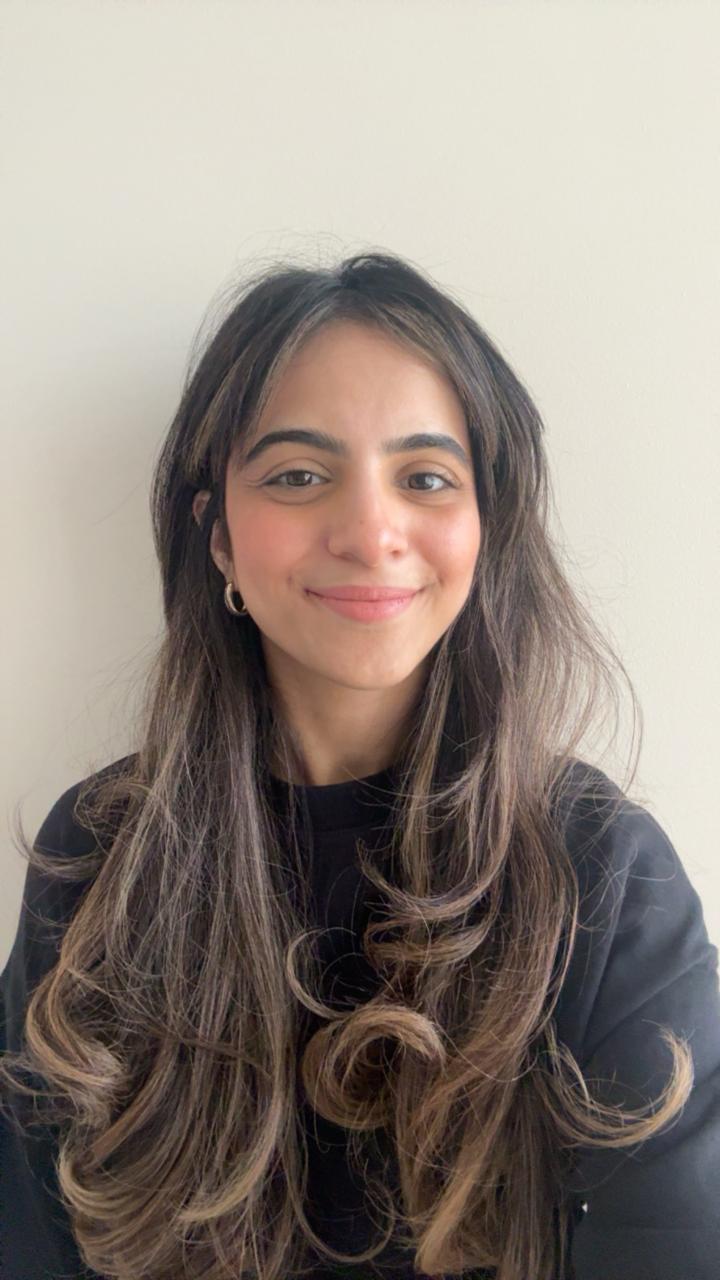
Anushay Hussain is a leader on Bennett International’s UAE Special Education Needs (SEN) team, based in Dubai. A licensed Speech-Language Pathologist with over 10 years of clinical experience, she brings deep expertise to her guidance of families who come to Bennett in search of support for their child with additional needs. Anushay relocated to the UAE from Pakistan, where she founded and continues to oversee a multidisciplinary child development clinic providing speech therapy, occupational therapy, and behavioural support to children with a wide range of learning challenges. She holds both a B.S. and M.S. in Speech-Language Pathology and is fluent in English and Urdu.
Bennett International Education Consultancy works directly with hundreds of families each year across the globe. We support families by helping them make informed decisions about the best-fit schools for their children; with our guidance, they secure placement in preschools, private day schools, public/state schools, boarding schools, colleges and universities, including schools with particular programs, such as special needs support.
How a Bennett consultant helps
Provision across the UAE varies enormously between schools. Our special education needs consultants help families work out which settings will genuinely suit their child, and we work alongside the employers and mobility teams managing the move.