What is the WISC Test?

An Overview
The Special Education Needs (SEN) team at Bennett works with hundreds of students each year, many of whom complete psychoeducation evaluations as part of the school planning or admissions process. The Wechsler Intelligence Scale for Children, commonly referred to as the WISC, remains one of the most widely used cognitive assessments in the United States and is an important tool in understanding a student’s learning profile.
Erin Brady recently sat down with Dawn Nelson, one of Bennett’s SEN consultants, to discuss the WISC and how the results can benefit students and their families.
Families are often unsure or even hesitant about having their child evaluated. Concerns about labeling, stigma, or having a child misunderstood during the admission process are both common and understandable. Our consultants understand behind all the numbers generated by testing; there is a unique child. When an evaluation is conducted and interpreted thoughtfully, it can provide meaningful insight into how a child learns, highlighting both areas of strength and areas where support may be beneficial. The goal of testing is not to define a child, but to better understand them and provide a valuable tool when finding the right school environment.
Q: Dawn, would you please explain what the WISC is?
The Wechsler Intelligence Scale for Children (WISC) is an individually administered intelligence test designed for children between the ages of 6 and 16. The assessment is conducted in a one-to-one setting and typically takes between 45 and 65 minutes to complete.
Many evaluators currently use the WISC-V, while others are beginning to adopt the newer WISC-VI, which includes updated norms, improved subtests, greater cultural and linguistic fairness, as well as digital administration options. Both versions assess similar core areas of cognitive functioning.
The WISC generates a Full-Scale IQ score, which represents a child’s general intellectual ability. It also provides five primary index scores that offer a more detailed understanding of how a child processes and uses information.
Children outside of this age range are typically assessed using related measures. Younger children may take the Wechsler Preschool and Primary Scale of Intelligence (WPPSI), while older adolescents and adults may take the Wechsler Adult Intelligence Scale (WAIS).
Q: Can you briefly explain what the five index scores measure?
Sure! Each of the five index scores reflects a different area of cognitive functioning, and reviewing these scores individually is often more informative than focusing solely on the Full-Scale IQ.
- The Verbal Comprehension Index measures a student’s ability to understand, process, and express language. It reflects word knowledge, verbal reasoning, and the ability to communicate ideas effectively.
- The Visual Spatial Index assesses a student’s ability to interpret and organize visual information, including recognizing patterns and understanding spatial relationships.
- The Fluid Reasoning Index measures logical thinking and problem solving, particularly the ability to identify relationships and patterns among visual information.
- The Working Memory Index reflects a student’s ability to hold and manipulate information over short periods of time. This skill is essential for tasks such as following directions and completing multi-step activities.
- The Processing Speed Index measures how quickly and efficiently a student can process simple or routine information. This can impact how long it takes for a student to complete academic work.
Q: Visual spatial and fluid reasoning sound very similar. Can you explain the difference?
Great question. It is key to understand the differences between the two. While both areas involve visual material, they rely on different types of thinking. Visual spatial tasks focus on constructing and analyzing visual designs and relationships, while fluid reasoning tasks rely more heavily on logic and the ability to solve novel problems. A student may demonstrate different levels of strength in each of these areas.
Q: How should WISC scores be interpreted?
This is key because it is important to understand that the Full-Scale IQ score does not always provide a complete picture of a child’s abilities. In cases where there is significant variability among the index scores, the Full-Scale IQ may not be the most accurate representation of overall functioning.
Evaluators often look closely at patterns of strengths and weaknesses across the index scores. In some cases, alternative composite scores such as the General Ability Index, which emphasizes reasoning skills, or the Cognitive Proficiency Index, which reflects efficiency in processing information, may provide additional insight.
Looking at the pattern of scores can help explain why a student may excel in some areas, while experiencing difficulty in others. For example, a student with strong verbal reasoning skills, and weaker processing speed, may have a deep understanding of material but require additional time to complete tasks.
Q: Who administers this testing?
The administration and scoring of the WISC require specialized training, and the test is most often administered by a licensed psychologist, either privately or through a school district.
Q: Would other testing be administered at the same time as the WISC?
The WISC is typically one component of a comprehensive evaluation. Additional assessments may include academic achievement testing, measures of attention and executive functioning, and social emotional or behavioral assessments. The WISC alone does not diagnose a learning disability or other condition but instead contributes to a broader understanding of a student’s profile.
Q: From a parent’s perspective, what are the benefits of having a child tested?
There are several benefits actually, and parents may pursue testing for a variety of reasons. Some are seeking to determine whether their child qualifies for gifted programming, while others want to better understand their child’s learning challenges and strengths.
Testing can provide clarity around why certain aspects of school may feel more difficult than others and can lead to recommendations for support such as extended time, organizational strategies, or targeted interventions.
Q: From a school’s perspective, what are the benefits of having a child tested?
From a school’s perspective, testing can be informative during both the admissions process and ongoing education planning. It can help determine whether a student is likely to thrive in a particular academic environment and what types of support may be necessary.
Teachers can also use this information to better differentiate instruction. For example, a student with strong verbal comprehension skills may benefit from discussion-based learning, while a student with working memory challenges may benefit from written directions and repetition. Knowing each student’s learning profile as outlined by the WISC can significantly assist in this process.
Q: If a child already has a diagnosed learning disability or significant learning challenges, can accommodations be made in how the WISC is administered?
This is an important question, particularly for families of students who already receive support. The WISC is a standardized assessment, which means it must be administered according to specific guidelines for the scores to be considered valid. Because of this, typical classroom accommodations such as extended time or modified instructions are generally not permitted during standard administration.
That said, experienced evaluators take a thoughtful and individualized approach when working with students who have learning differences. While they may not formally alter the structure of the test, they can support the student in ways that do not compromise standardization. This may include offering breaks, ensuring that directions are clearly understood, managing pacing, and creating a comfortable testing environment.
If a student is unable to meaningfully access certain parts of the test due to their learning profile, the evaluator may document this and interpret the results with appropriate caution. Observations, behavior during testing, and qualitative data become especially important in these cases.
The goal is always to obtain the most accurate and representative understanding of the student’s abilities while maintaining the integrity of the assessment.
Q: How long are WISC results considered valid?
WISC results are generally considered valid for approximately two to three years. This timeframe is often relevant for school admissions, education planning, and applications for standardized testing accommodations.
Q: How do WISC results support school planning?
WISC results can play an important role in developing education plans, including IEPs and 504 Plans. They can help identify appropriate accommodations, inform instructional strategies, and guide decisions about school placement.
Q: Is the WISC culturally fair?
Recent versions of the WISC have made efforts to improve cultural and linguistic fairness. However, no assessment is entirely free from bias. It is important that evaluators consider a child’s background, language, and experiences when interpreting results.
Q: Is there a downside to testing?
As an education consultant, I do not see a downside to testing. When conducted by a skilled and thoughtful evaluator, testing is generally a positive and informative experience. It can really help students better understand how they learn and provide a framework for how parents and schools can provide adequate support.
Sometimes parents are concerned that education testing will result in the attachment of labels and the burden of a diagnosis. As a parent myself, I can certainly understand this concern, which is why we urge caution when selecting an evaluator, and recommend making sure they provide a balanced written report that highlights both strengths and areas of need. The goal is not to assign labels, but to develop a meaningful understanding of the child.
Q: What questions should families ask after receiving results?
There are several questions a family can ask to help them better understand the results of their child’s testing. In our work with students and families, we consistently see that cognitive profiles are nuanced and cannot be captured by a single number. A thoughtful interpretation of WISC results can provide valuable insight and help guide decisions that support a child’s academic and personal growth, as well as school placement. Some key questions include:
- What do my child’s score patterns suggest about how they learn best?
- Are there significant discrepancies between index scores?
- Is the Full-Scale IQ an accurate reflection of my child’s abilities?
- What accommodations or supports would you recommend based on these results?
- How might these results impact school placement or programming?
- When should my child be re-evaluated?
Take these questions with you.
We’ve put Dawn’s advice into a one-page guide you can keep beside you: what to ask your evaluator, what to ask the school, and the questions worth asking yourself. No sign-up needed.
Free Download: After the WISC, Questions Worth Asking →
Q: Overall, what are the most important factors you want families to understand about the WISC?
I want families to realize that the WISC provides valuable insight into how a child learns, not just how “smart” they are. Index scores and patterns are often more informative than a single IQ score. I also want parents to understand that this testing is most effective when it is interpreted as part of a comprehensive psychoeducation evaluation of the child. Most importantly, my hope is that families recognize that the results of the WISC can provide incredibly valuable information and guide meaningful supports, accommodations, and school placement decisions.
Thank you, Dawn.
You’re Welcome Erin, my pleasure.
How a Bennett consultant helps
A set of scores is only useful once someone reads it in the context of a particular child and a particular school. Our special education needs consultants help families understand what an evaluation is actually saying, and what it means for the schools they are considering.
That matters most during a move, when a report written in one country has to be understood by a school in another. We work with relocating families and with the employers supporting them.
Get in touch with a consultant who reads these reports every week, for an hour of clarity →
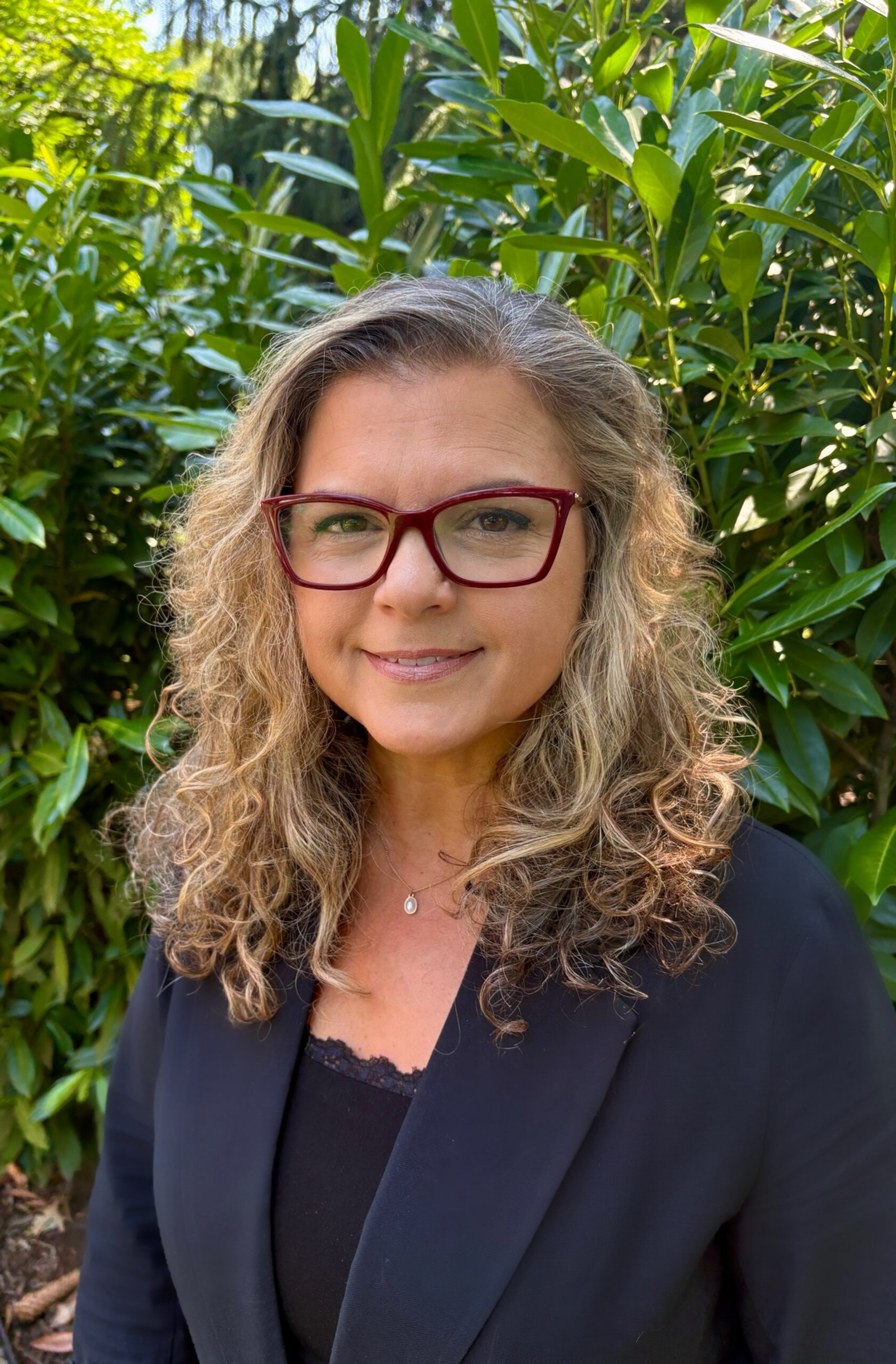
Dawn Nelson is an Independent Educational Consultant on Bennett’s Special Education Needs (SEN) team, based in Yardley, Pennsylvania. She supports families relocating throughout the US, offering experienced guidance to those navigating complex academic profiles. With a strong background in both public and private education, Dawn brings a compassionate, student-centered approach to school placement. A native of the Mid-Atlantic region, Dawn holds an Ed.M. from Saint Joseph’s University, where she earned dual certifications in Special Education and as a Reading Specialist. She also holds a B.S. in Elementary Education from Saint Joseph’s and is certified in New Jersey.
Bennett International Education Consultancy works directly with hundreds of families each year across the globe. We support families by helping them make informed decisions about the best-fit schools for their children; with our guidance, they secure placement in preschools, private day schools, public/state schools, boarding schools, colleges & universities, including schools with particular programs, such as special needs support.