Is Autism as Common in Girls as Boys? A New Study

For decades, autism has been described as far more common in boys than girls. Laura Weinkle, Bennett International’s Global Team Lead for the US, Latin America and Special Needs, looks at a large Swedish study suggesting that gap narrows sharply by early adulthood, and why that matters for girls.
This is new, and very interesting, information. For as long as I can remember, autism has been described as a condition that mostly affects boys. The CDC’s most recent autism prevalence report found that boys were 3.4 times as likely as girls to be identified with autism: about 1 in 20 boys compared with about 1 in 70 girls. It seems about right when you look into a special needs classroom or social group and see a sea of boys.
A large new study suggests the picture may be more balanced than those numbers imply.
What the Swedish Study Found
In February 2026, the peer-reviewed medical journal The BMJ published research from a team at Karolinska Institutet in Sweden, led by Caroline Fyfe. Using Sweden’s national health registers, they followed 2,756,779 people born between 1985 and 2020 for up to 37 years. Over that time, 78,522 of them (about 2.8%) received an autism diagnosis, at an average age of 14.3.
The gap between males and females shrank as the age at diagnosis went up. By 2022, the cumulative ratio by age 20 was about 1.2 males for every female, which BMJ Group’s summary of the study describes as approaching 1 to 1. Diagnoses peaked between ages 10 and 14 for boys, and between 15 and 19 for girls.
The Difference Is the Age of Diagnosis
In other words, the biggest difference between boys and girls in this study was timing. Boys tended to be identified during childhood, and girls closed the gap in their teenage years. As Disability Scoop reported, the authors concluded that the ratio of males to females has narrowed over the decades, and narrows further the older people are when they’re diagnosed.
What the Study Doesn’t Say
It’s worth reading the findings carefully. The study looked at diagnoses in Sweden, which keeps detailed national health records, and the results may not carry over to every country. It’s an observational study, so it can’t tell us why girls are diagnosed later, and the authors note that it didn’t account for conditions that often come alongside autism, such as ADHD and intellectual disability.
It also doesn’t mean boys and girls are diagnosed at the same rate at every age. In childhood, boys are still diagnosed far more often. The authors call for research into why girls and women receive their diagnosis later.
Why We’ve Long Thought Autism Was Mostly in Boys
A few things have shaped that belief. Much of the early autism research, from the 1970s through the 1990s, focused on boys, and the screening and diagnostic tools that grew out of it were built around how autism tends to look in boys. Girls who didn’t fit that picture were easy to miss.
Girls also tend to “mask,” or camouflage, their differences. Many develop stronger social skills at a young age, and their interests can look much like those of other girls. When they struggle, it often turns inward as anxiety or low mood, which doesn’t catch a teacher’s eye the way disruptive behavior does. Boys with autism, on the other hand, are statistically more likely to show differences that are easy to spot, such as a noticeable speech delay or behavior that stands out in class. Jorge Aguado, a clinical psychologist at the University of Barcelona, told Disability Scoop that social expectations and clinical bias likely play a part as well.
Why This Study Matters
I think this study matters a great deal, and it’s a strong case for gathering similar data in other countries. If the findings hold up, autism may not be mostly male by adulthood, and the long-reported ratio may partly reflect who gets noticed rather than who is autistic.
It also suggests that many girls have been missed, or given a different diagnosis instead. In an editorial published alongside the study, patient advocate Anne Cary noted that autistic women are often diagnosed with other psychiatric conditions first. More women are now seeking an autism diagnosis as adults.
Identifying girls earlier could make a real difference to their mental health and wellbeing. To me, this is one of the most significant changes in autism research today.
What This Can Mean for Parents
If you have questions about your daughter’s development, social experiences or anxiety, your pediatrician or a qualified evaluator is the right first step. Teachers may not see what you see at home, so sharing your observations with the school helps everyone build a fuller picture.
How a Bennett Consultant Helps
Bennett’s Special Education Needs consultants review evaluations and school reports for girls and boys alike (we don’t assess or diagnose), and help families find schools that understand their child’s full profile, including needs that aren’t always visible in the classroom.
You can learn more about Bennett’s Special Education Needs support, read our guide to ADHD and executive function assessments, and see why cultural context matters in special education.
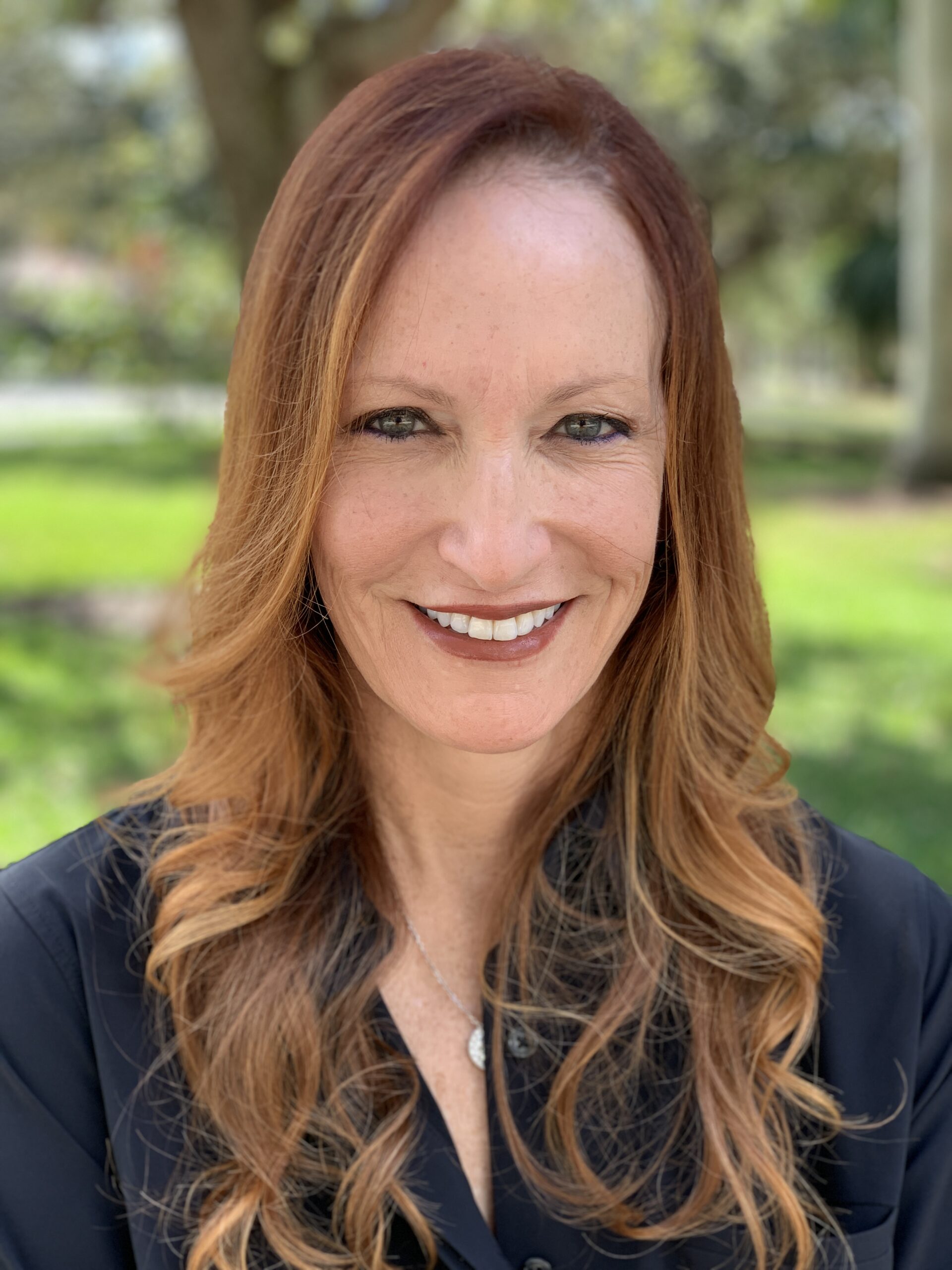
Laura Weinkle is Bennett International’s Global Team Lead for the US, Latin America and Special Needs, based in South Florida, and its Director of Recruitment and Training. A native Miamian, Laura has been a tireless advocate for children with Special Education Needs, having founded an ABA school for her own son and dedicated years to helping families identify appropriate education options and resources. Before joining Bennett, Laura worked in corporate training and human resources and taught Kindergarten through third grade. She holds a B.A. in Communications from Tulane University and is a member of IECA, the professional association for independent education consultants.
Bennett International Education Consultancy works directly with hundreds of families each year across the globe. We support families by helping them make informed decisions about the best-fit schools for their children; with our guidance, they secure placement in preschools, private day schools, public/state schools, boarding schools, colleges and universities, including schools with particular programs, such as special needs support.